


It’s rare for a band to vanish before they even arrive, but Panchiko did exactly that—dissolving into a Nottingham fog in 2000, leaving behind a CD-R demo titled D>E>A>T>H>M>E>T>A>L, a time capsule of shoegaze, glitch, and adolescent melancholy.
Panchiko: Ghosts in the Machine

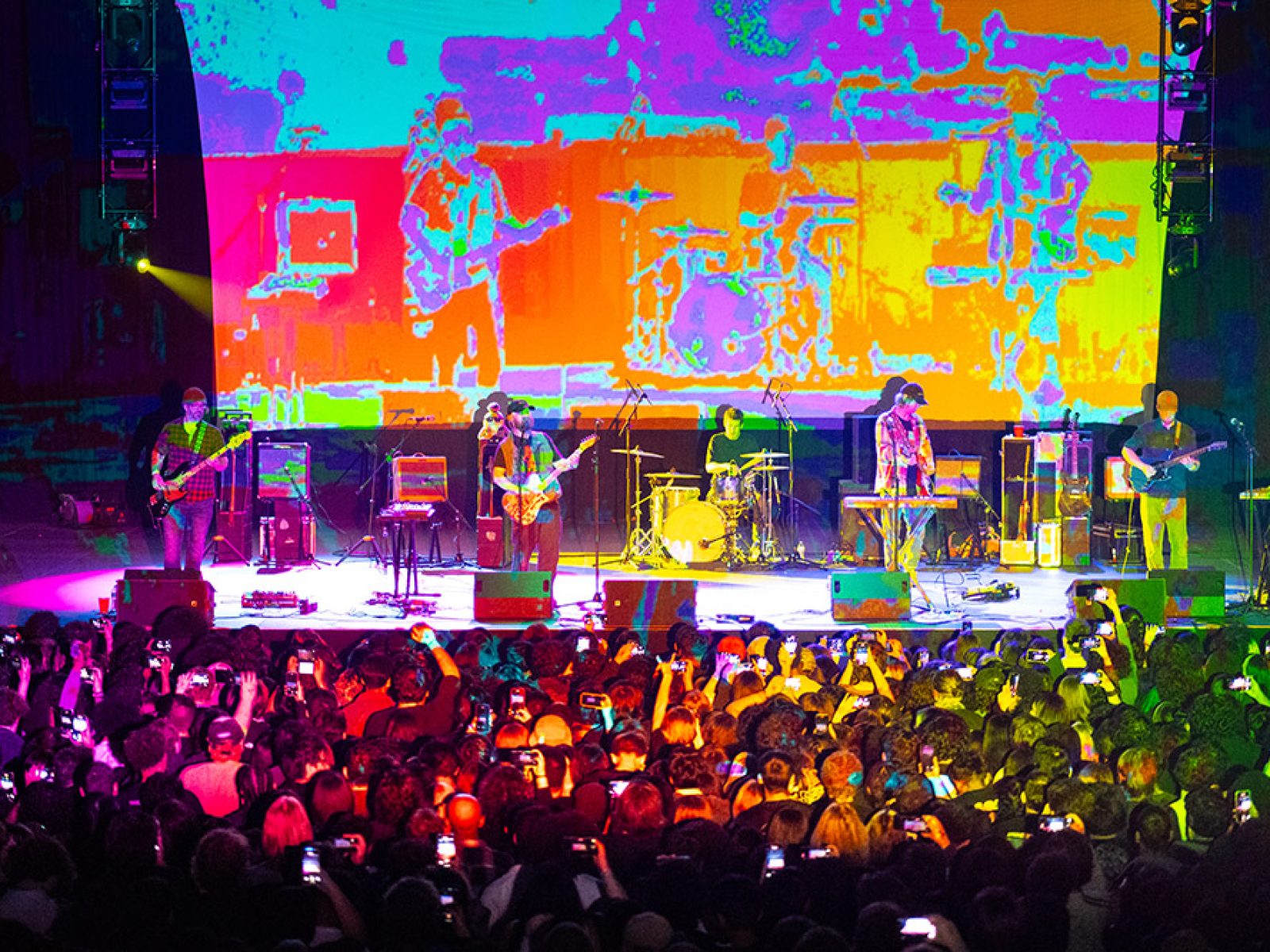
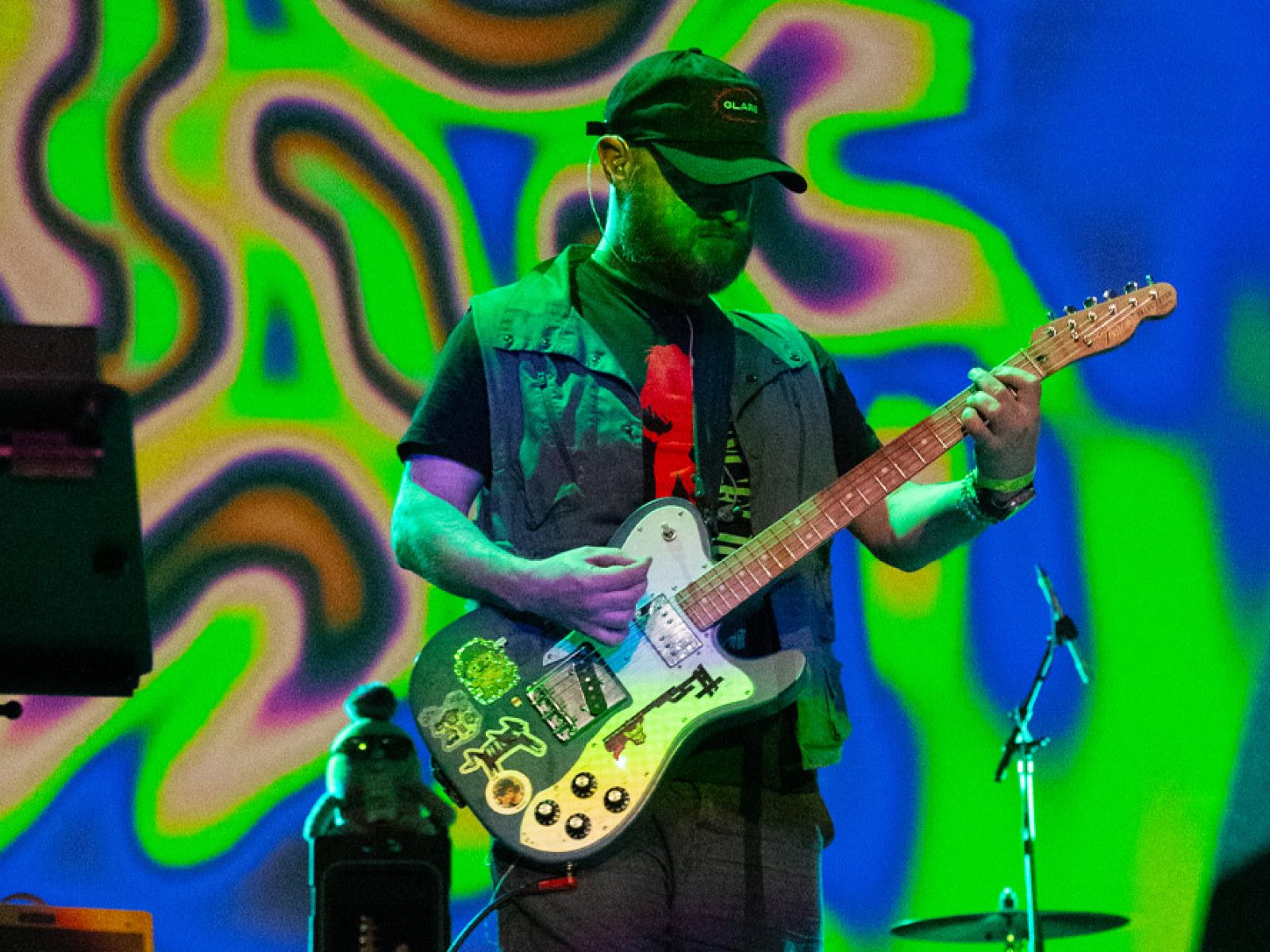
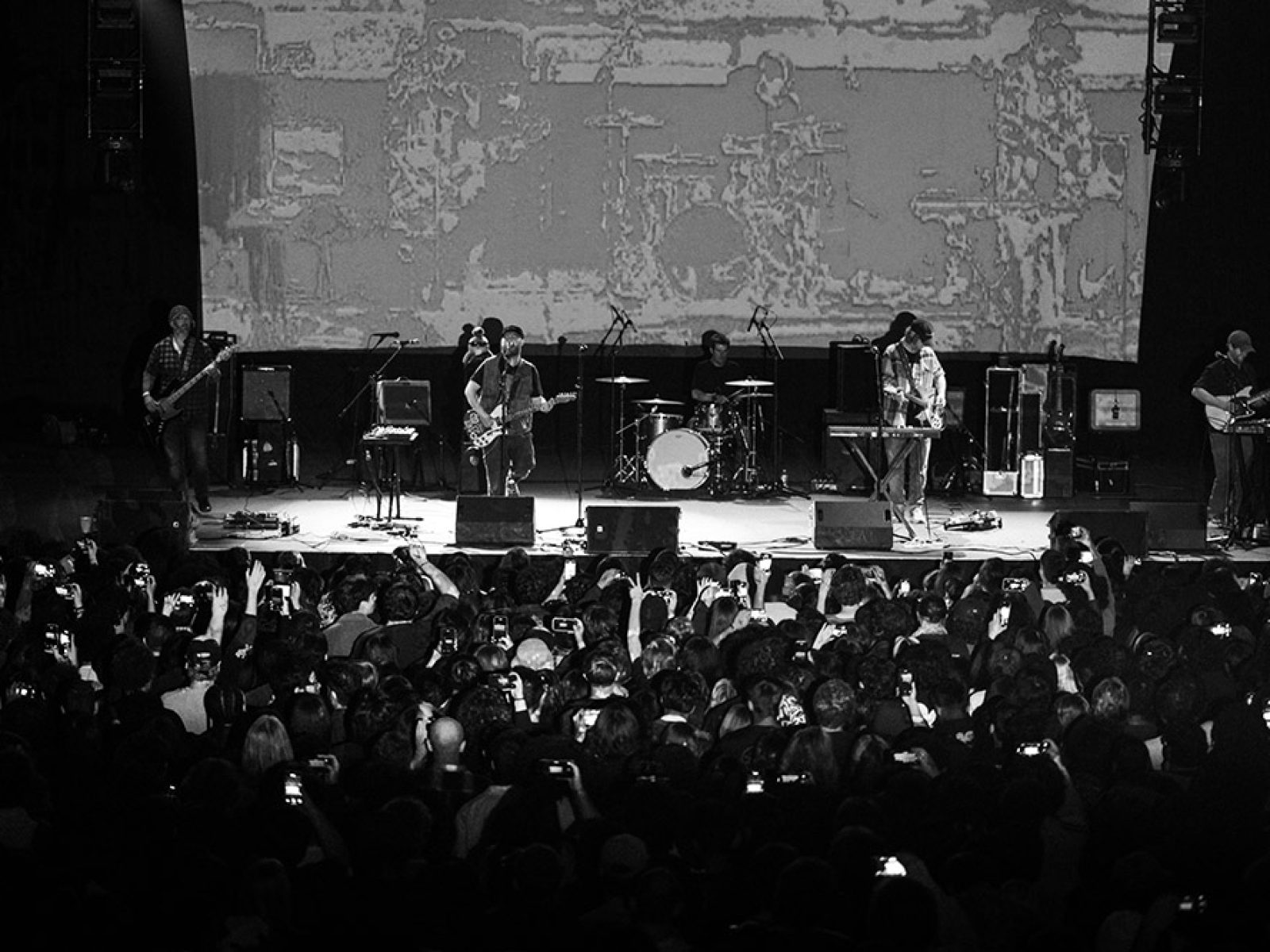
The story plays like urban legend, except it’s real: a dusty, unreadable disc salvaged from a charity shop; its warbled audio both haunting and hauntingly beautiful. Online, it spread like wildfire through forums and Discord threads, with listeners obsessively scrubbing the corrupted audio for clues, desperate to trace the music back to its origin. The demo didn’t just resonate—it haunted. There was something almost spectral in the way it echoed the forgotten emotional landscapes of adolescence: alienation, wonder, the disintegrating edges of memory. For years, D>E>A>T>H>M>E>T>A>L sounded like a broadcast from a parallel past, as if someone had buried a Radiohead CD and a cracked copy of Silent Hill 2 in a time capsule and the ghost of the internet unearthed it.
When the band was finally tracked down—some still living in Nottingham, others drifting through adult life far from music—they seemed as surprised as anyone that this was the work that found its audience. Back then, they were just teenagers with a Packard Bell computer, some borrowed gear, and a love of expansive sounds: Aphex Twin, Smashing Pumpkins, shoegaze, glitch, drum & bass. They didn’t know what they were doing, not really—and that not-knowing became the point. The vocals were buried in reverb because they were self-conscious. The beats were broken because the software kept crashing. The melancholy wasn’t posed—it was just how things felt in the year 2000.
They didn’t know what they were doing, not really—and that not-knowing became the point.
That accidental authenticity is what makes Panchiko so hard to place. They don’t sound quite like anyone else, even now. There are threads you can pull—Boards of Canada’s memory bleed, early Mew’s drama, maybe some late-’90s Warp Records DNA—but they’re stitched together with something deeply personal. And that’s what’s most striking about the band’s second life: how personal it still feels. You don’t discover Panchiko so much as stumble into them, like a room in your old house you forgot was there, full of dusty light and quiet revelations.
Live, they’re the same kids, just older. When I saw them, it felt like watching a dream manifest itself in real time. They don’t posture or pretend. There’s no false modesty, but also no rock star delusions. It’s just four guys making up for lost time—playing the songs they assumed no one would ever hear, for rooms full of people who feel like they’ve known them forever. And maybe they have, in that internet-time kind of way where five years of anonymous listening can feel like a lifetime.
Panchiko hasn’t “matured” in the typical sense—they’ve just grown into their own myth, slowly and without spectacle.
They’ve since released new music—Failed at Math(s) and other singles that prove this resurrection isn’t just about nostalgia. The new songs still hum with the same gentle weirdness, the same sense of curiosity and interiority. Panchiko hasn’t “matured” in the typical sense—they’ve just grown into their own myth, slowly and without spectacle. There’s still no PR machine, no viral strategy. Just a band who never finished their first chapter, quietly writing the second.
Panchiko is a band from the past that accidentally belongs to the present. They never set out to be anyone’s favorite band. That’s what makes it so believable when they become yours.